A common mistake we see on Blackburn construction sites is assuming a Proctor compaction value from the lab will automatically be achieved in the field. The soil conditions on the ground floor of a site near the Leeds and Liverpool Canal can differ significantly from a sample tested in a controlled environment. That is where the field density test using the sand cone method becomes essential. It measures the in-situ dry density of compacted fill, embankments, or subgrades, giving you a direct comparison against the maximum dry density from the Proctor test. Without this verification, engineers risk proceeding with unverified compaction levels, which can lead to differential settlement or pavement failure. The sand cone method is straightforward but demands precise execution, especially when dealing with the glacial till and alluvial deposits typical of Blackburn.
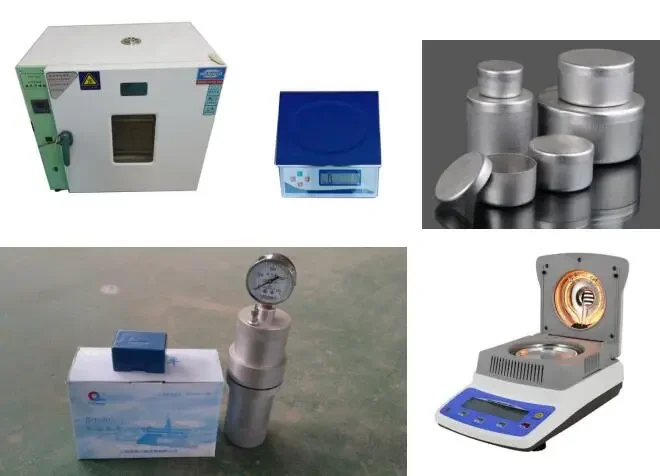
Without field verification, Proctor values are just numbers on a sheet. The sand cone method turns lab predictions into real-world assurance.
Technical details of the service in Blackburn
- Wet density (kg/m³)
- Moisture content (%)
- Dry density (kg/m³)
- Degree of compaction (%)
- Percentage of oversize particles (if any)
Risks and considerations in Blackburn
Imagine a new housing development on the former mill land off Bolton Road in Blackburn. The contractor places fill in 200 mm lifts, compacts it with a roller, and moves on. Without field density tests, a few lifts may end up at only 90% compaction instead of the required 95%. Three years later, the driveway settles unevenly, creating a trip hazard and cracking the tarmac. The developer faces repair costs and potential liability. For Blackburn's brownfield sites, where buried foundations and variable fill are common, the risk is even higher. A single overlooked lift can compromise the entire pavement structure. The sand cone method catches these issues during construction, not after.
Our services
We offer field density testing as part of a comprehensive geotechnical service. Beyond the sand cone method, our team provides complementary tests to fully characterise your site.
In-Situ Compaction Control
Regular field density testing at specified intervals during earthworks. We provide on-site results within hours, allowing immediate adjustment of compaction effort. Ideal for road subgrades, structural fill, and embankments in Blackburn.
Bulk Density & Moisture Content
Simultaneous determination of in-situ moisture content and dry density. This data helps correlate field conditions with the optimum moisture content from the Proctor test, ensuring compaction efficiency on Blackburn's variable soils.
Questions and answers
How many field density tests are typically required for a small housing development in Blackburn?
For a typical residential development of 10-20 units, we recommend one test per 500 m² of compacted area or one test per lift type, whichever is more frequent. A site with variable fills from the industrial era may need additional points to capture changes in soil type.
Can the sand cone method be used on wet or saturated soils?
The reference range for this service in Blackburn is £70 - £120. The final price depends on the project scope and volume.
What is the typical cost range for field density testing in the Blackburn area?
The typical cost per test point using the sand cone method in Blackburn is between £70 and £120. This includes excavation, sand calibration, moisture determination, and a written report. Volume discounts apply for multiple test points on the same site.