Blackburn sits on a mix of glaciofluvial sands and made ground from its industrial past. In our experience, the biggest challenge here is the variable density of these deposits — one metre can be loose sand, the next compact gravel. That’s where vibrocompaction design becomes essential. By inserting a vibrating probe to densify the soil, we reduce void ratio and increase relative density across the treatment zone. Before mobilising a rig, we always run a cone penetration test to map the loose layers and confirm the depth of treatment needed. The technique works best below the water table, which in Blackburn is typically 2 to 4 metres deep depending on the season.
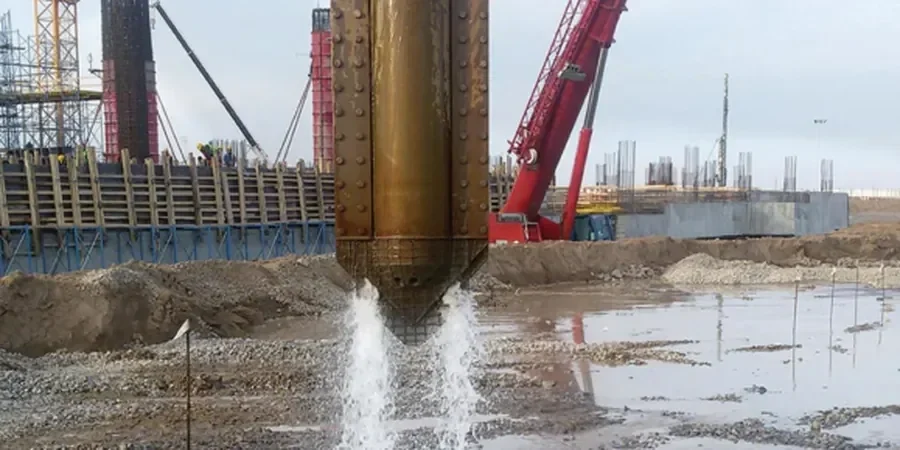
The key to effective vibrocompaction design is matching probe spacing and energy to the real soil profile, not a generic pattern.
Technical details of the service in Blackburn
Risks and considerations in Blackburn
Eurocode 7 and BS EN 1997-1 require that Improvement works be verified by field testing after compaction. In Blackburn, where old mine workings and variable fill are common, the risk of untreated lenses is real. If the vibrocompaction design ignores local variability, differential settlement can damage slabs and services. We always include post-treatment CPTs or plate load tests to confirm the design assumptions before the foundation contractor starts work.
Our services
Our vibrocompaction service in Blackburn covers two main areas: feasibility assessment and detailed design. We work with local contractors to ensure the treatment matches the site.
Feasibility Study and Soil Profiling
We review existing borehole logs, run new CPTs, and classify the soil according to BS 5930. This tells us whether vibrocompaction is the right method or if alternative methods like stone columns might suit better.
Detailed Compaction Design and QA
We produce a grid layout, specify probe type and energy, and define acceptance criteria based on relative density or cone resistance. Post-treatment testing verifies that the design target has been met across the entire footprint.
Questions and answers
What types of soil in Blackburn are suitable for vibrocompaction?
Clean sands and gravels with less than 15 percent fines respond best. The glaciofluvial sands found under much of Blackburn are ideal, provided the water table is within treatment depth. Silty or clayey soils are not suitable.
How much does vibrocompaction design cost in Blackburn?
For a typical medium-sized residential or commercial plot, the design and verification package ranges between £1.180 and £3.540, depending on the number of test points and the complexity of the ground profile.
Do I need a separate ground investigation before vibrocompaction design?
The reference range for this service in Blackburn is £1.180 - £3.540. The final price depends on the project scope and volume.
Coverage in Blackburn
Watch how it works
This service complements our laboratory testing work for a complete project analysis.